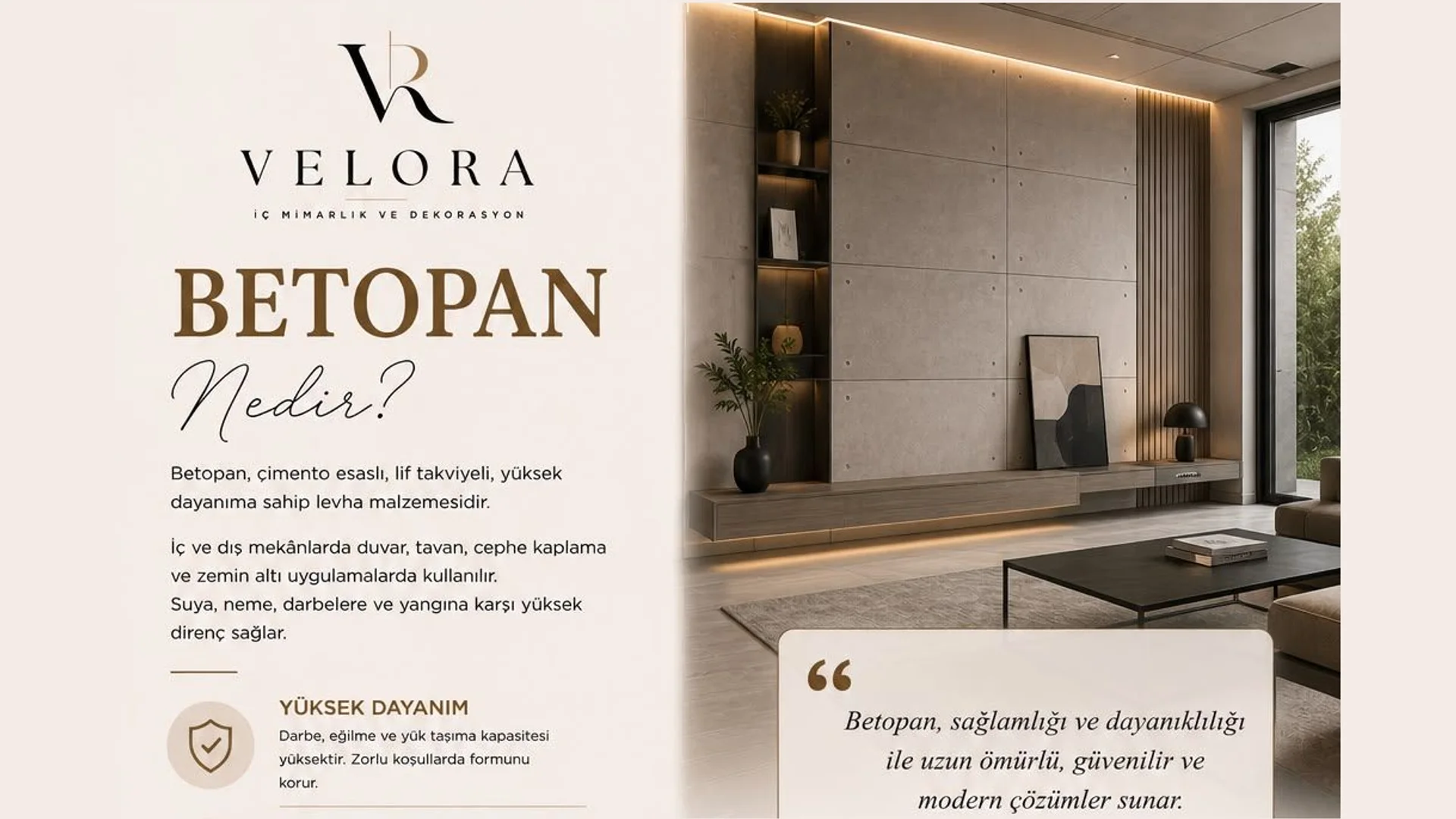
Cement and wood chips pressed into one A1 non-combustible board. It goes where drywall cannot: wet rooms and façades.
Cement bonded particle board is made by pressing cement, wood chips and mineral additives under high pressure. It is non-combustible, stands up to water and damp, and works both inside and outside.
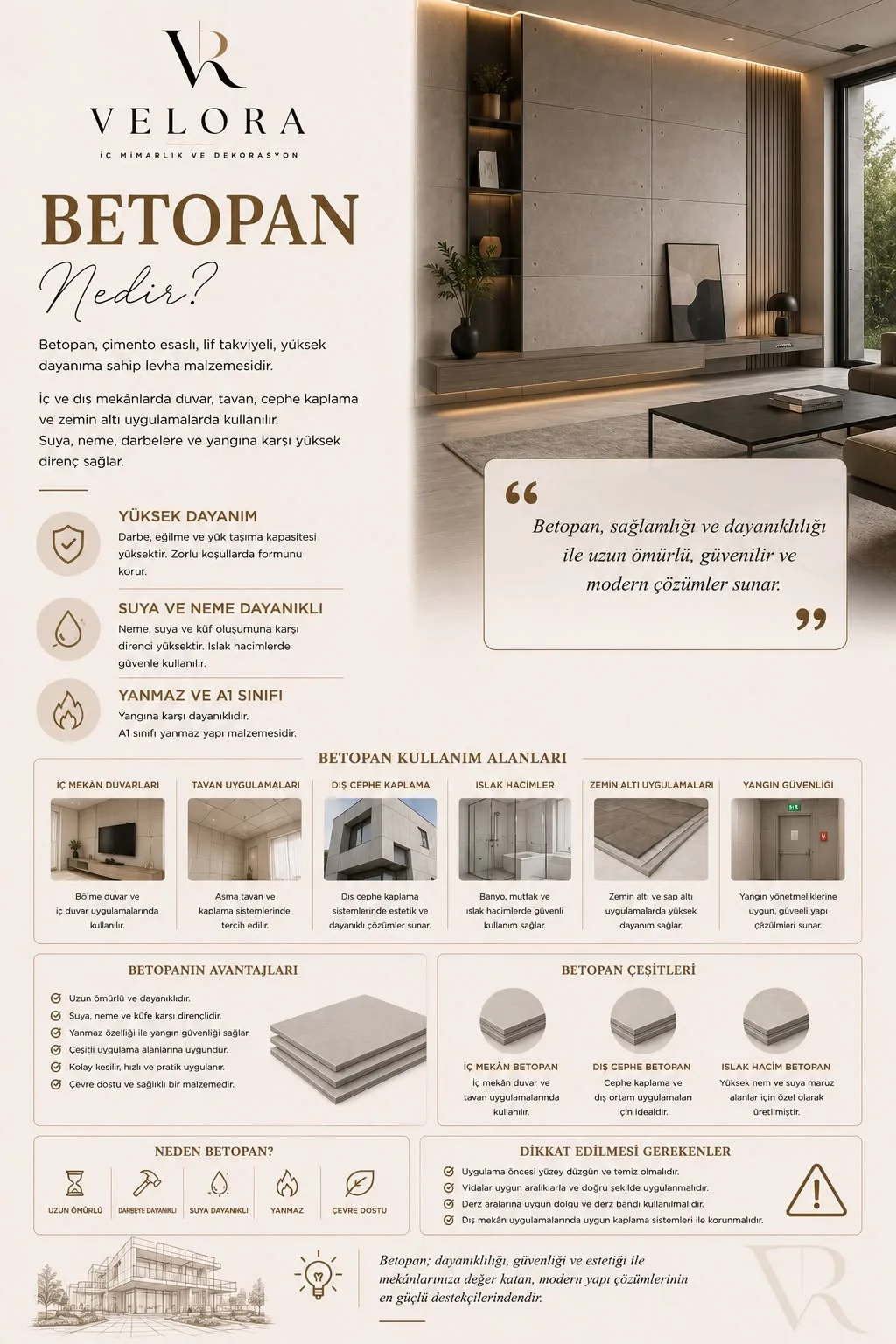
Key properties
- A1 fire class: it does not ignite or feed a fire — right for escape routes and shafts.
- Moisture resistance: it neither swells nor rots, so it suits wet rooms and façades.
- Strength: impact resistant, preferred in heavily used corridors.
- Dimensional stability: it holds its size through temperature and humidity swings.
Where it is used
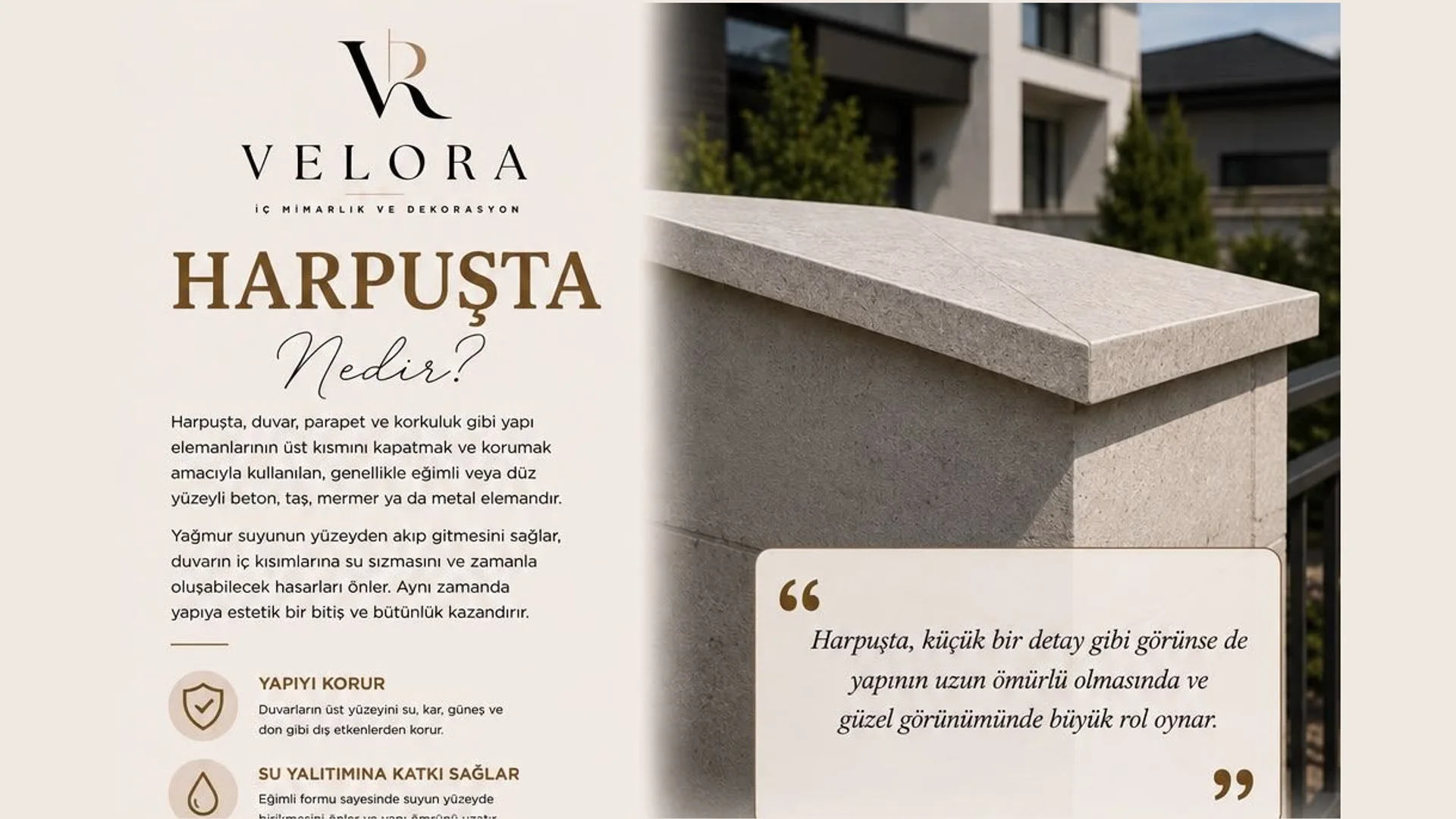
- Façade cladding and rainscreen substrates
- Wet room walls and floors under tile
- Fire compartment, shaft and lift-well walls
- Prefabricated and container building panels
- Dry floor systems in place of a screed
Cement board or drywall?
- Drywall: cheaper and easier to work in dry interiors, with a smoother face.
- Cement board: better wherever there is water, fire risk or impact — but heavy and harder to cut.
Installation notes
- Cut with a diamond blade and wear a dust mask.
- Leave a 3–5 mm expansion gap between boards.
- Countersink the screw holes and use stainless fixings.
- On façades leave a ventilated cavity behind the board.
Points to watch
- It is heavy — the supporting frame must be sized for it.
- Keep it off direct ground contact and away from splash.
- If it is to be painted, a primer made for cement surfaces is essential.
Tagsbetopançimento levhadış cephe